

Introduction
In the world of cooking and baking, precision is key. Even the slightest error in measurement can alter the texture, flavor, or consistency of a recipe. One common source of confusion, especially for beginners, is understanding the relationship between ounces and cups. While they’re both standard measurement units, the way they’re used can vary depending on whether you’re measuring liquids or dry ingredients. This guide aims to demystify ounces, cups, and conversions to help you achieve perfect results every time.
Understanding Measurement Units
Before diving into conversions, let’s break down the measurement units themselves to understand how they function in recipes.
Ounces
The term “ounces” can refer to two different things depending on the context.
- Fluid Ounces: These measure volume and are used for liquids like water, milk, and oil. Fluid ounces indicate how much space the liquid occupies.
- Dry Ounces: These measure weight and are commonly used for ingredients like flour, sugar, and spices. The number of ounces in a cup can vary depending on the ingredient, as some are denser than others.
Understanding the difference between fluid and dry ounces can be helpful to avoid any potential measuring mix-ups.
Cups
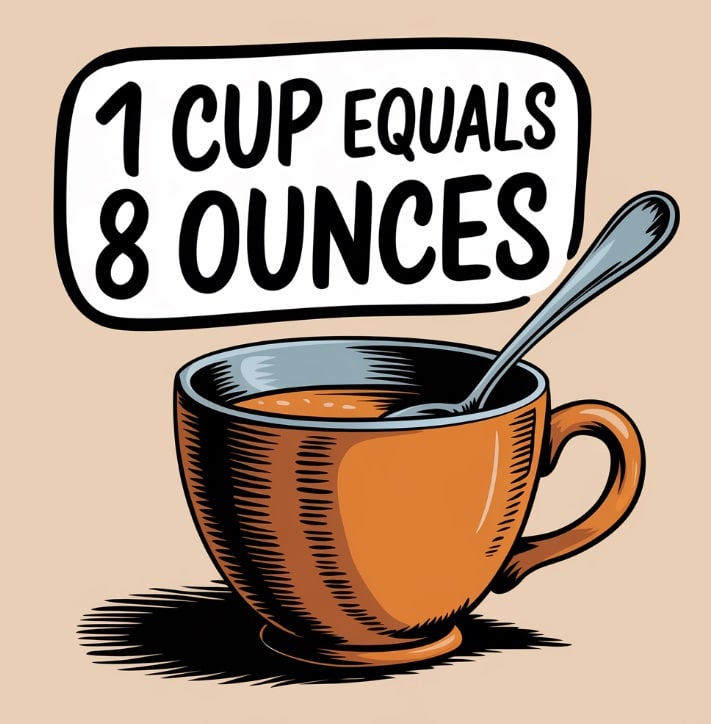
In the U.S., the standard cup measurement is based on volume, where 1 cup is equal to 8 fluid ounces. However, not all countries follow the same standards. For example, in the United Kingdom, 1 cup is 10 fluid ounces, and in Australia, 1 metric cup equals 250 milliliters, which is about 8.45 U.S. fluid ounces.
Knowing which measurement system a recipe follows is essential, especially if you’re using recipes from international sources.
Liquid (Fluid) Measurements
In the U.S., fluid measurements are straightforward. One U.S. cup always equals 8 fluid ounces. Here’s a quick conversion chart for common liquid measurements:
| Cups | Fluid Ounces |
|---|---|
| 1 cup | 8 fl oz |
| 3/4 cup | 6 fl oz |
| 1/2 cup | 4 fl oz |
| 1/4 cup | 2 fl oz |
It’s worth noting that the metric system, commonly used in countries outside of the U.S., varies slightly. For example, 1 metric cup equals 250 milliliters, which translates to approximately 8.45 U.S. fluid ounces. While the difference might seem small, it can impact recipes, especially in baking.
Dry Measurements
When it comes to dry ingredients, measuring by volume can get a bit tricky since the weight of a cup varies depending on the ingredient’s density. For instance:
- 1 cup of all-purpose flour weighs approximately 4.5 ounces.
- 1 cup of granulated sugar weighs around 7 ounces.
Since dry ingredients don’t always translate directly to 8 ounces per cup, using a kitchen scale can provide more precise measurements. This is particularly important in baking, where accuracy is essential. If you’re aiming for professional-level results, consider measuring by weight to ensure consistent outcomes.
Common Conversion Charts
Having a few conversion charts at hand can simplify your cooking and baking process. Here are some basic volume and weight conversions that are commonly used in the kitchen.
Volume Conversions
- Tablespoons to cups: 16 tablespoons = 1 cup
- Cups to pints: 2 cups = 1 pint
- Pints to quarts: 2 pints = 1 quart
- Quarts to gallons: 4 quarts = 1 gallon
Weight Conversions
For weight conversions, especially useful for dry ingredients, here are some helpful guidelines:
- Ounces to grams: 1 ounce = 28.35 grams
- Pounds to kilograms: 1 pound = 0.453592 kilograms
Consider printing out a conversion chart for quick access in the kitchen. Many online resources, like Baking Like a Chef, offer downloadable and printable charts for easy reference.
Tips for Accurate Measuring
Accurate measurements can make or break a recipe. Here are some tried-and-true techniques for measuring both liquid and dry ingredients:
- Use liquid measuring cups for liquids: These cups usually have a spout and allow you to see the measurement lines at eye level, which helps with accuracy.
- Use dry measuring cups for dry ingredients: Unlike liquid measuring cups, dry cups are designed to be filled to the top and leveled off for a precise measure.
- Level off dry ingredients: For dry ingredients like flour, spoon it into the cup and level it off with a straight edge rather than scooping directly from the bag. Scooping can pack the ingredient and result in too much being added to the recipe.
- Measure dense ingredients carefully: For ingredients like brown sugar, which is often packed, make sure you know if the recipe requires it to be loosely or firmly packed to achieve the right quantity.
- Follow specific instructions: Some ingredients, like flour, may require “scooping” or “spooning” based on the recipe. Knowing the right technique for each ingredient can make a difference.
By following these measurement tips, you’ll avoid common pitfalls and help ensure your dishes turn out just right.
Conclusion
Understanding the relationship between cups, ounces, and the distinctions between fluid and dry measurements is key to mastering the art of cooking and baking. With the right tools and techniques, accurate measurements become second nature, leading to better and more consistent results in your kitchen.
Whether you’re an experienced cook or just starting, these measurement tips are invaluable for creating dishes that hit the mark every time. Keep practicing, and soon precise measurements will be a seamless part of your culinary journey.
Read more 100 Creative Ideas for Answering the ‘Fun Facts About Me’ Question, Resume, Résumé, or Resumé – The Correct Spelling and When to Use Accents