
How to Secure Jobs in Europe for Indians with Visa Sponsorship
Embarking on a journey to build a career in Europe is an exciting venture, especially for Indians eyeing global opportunities. With the right steps and preparation, landing a job with visa sponsorship becomes achievable. Let me walk you through the process in a friendly and optimistic tone.
Why You Must Work in These Amazing European Countries!
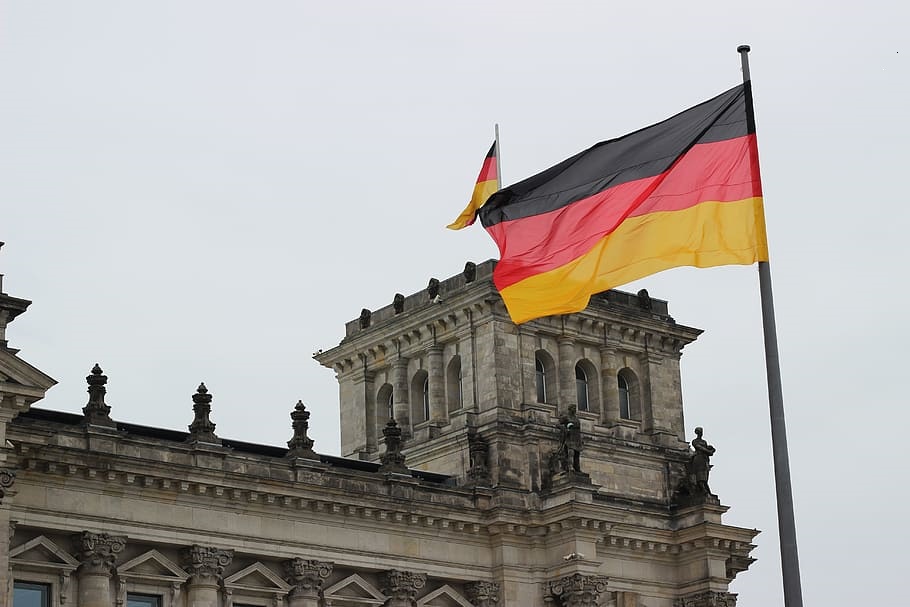
Germany: Oh my goodness, Germany! The economic powerhouse of Europe! Think about working with cutting-edge technology and being part of a culture that values efficiency and innovation. Plus, the work-life balance here is just perfect!
Netherlands: Imagine biking to work while surrounded by beautiful canals and tulip fields! The Netherlands offers an incredibly progressive work environment. A flat hierarchy and a super-friendly, international community make it a dream workplace.
Ireland: Work in Ireland and you’re diving into one of the world’s fastest-growing tech hubs! Dublin, the heart of Ireland, offers a vibrant cultural scene and jaw-dropping landscapes. The people are incredibly welcoming, and the opportunities are endless!
Sweden: Work-life balance meets the unparalleled quality of life in Sweden! Picture yourself thriving in a supportive environment with outstanding parental leave policies. The Swedes know how to work smart, not hard, and enjoy plenty of Fika breaks!
France: Ah, France! Who wouldn’t want to work surrounded by world-class cuisine and stunning architecture? France offers an enriching professional and cultural experience. Enjoy a leisurely lunch hour while indulging in French pastries. C’est la vie!
Each country offers its unique flair, compelling opportunities, and an attractive lifestyle that will enrich your professional journey and personal life.
1. Research and Identify Target Country
First things first, you need to identify which European countries are most open to hiring international talent and offer visa sponsorship. Some of the popular destinations include:
- Germany
- Netherlands
- Ireland
- Sweden
- France
Each country has its visa policies, job markets, and employer requirements, so it’s crucial to understand them.
2. Update Your Resume and LinkedIn Profile
Your resume is your professional passport. Make sure it is:
- Tailored to the European job market standards.
- Highlighting your skills and experience effectively.
- Providing quantifiable achievements.
Also, optimize your LinkedIn profile. Most European recruiters actively use LinkedIn for hiring. Make sure your profile:
- Has a professional photo.
- Includes a compelling headline.
- Showcases detailed descriptions of your past roles.
- Demonstrates your skills and endorsements.
3. Learn About Visa Sponsorship Policies
Understanding the specific visa categories and sponsorship policies of your target country is essential. Common visa types include:
| Country | Common Visa Types for Skilled Workers |
|---|---|
| Germany | EU Blue Card, Jobseeker Visa |
| Netherlands | Highly Skilled Migrant Visa (Kennismigrant) |
| Ireland | Critical Skills Employment Permit |
| Sweden | Residence Permit for Work (RPW) |
| France | Talent Passport, Employee on Assignment Permit |
Check the official immigration websites for detailed requirements and application processes.
4. Build a Network and Connect with Employers
Having a network can be immensely helpful or use our WeSendCV.com services. You can try yourself to engage in industry-specific forums, and LinkedIn groups, and attend webinars or virtual job fairs. When reaching out to potential employers or connections, always be professional and courteous.
Consider joining professional organizations related to your field, and don’t be shy about asking for informational interviews to learn about companies’ cultures and open positions.
5. Apply for Jobs
Utilize job portals that cater to international job seekers. Some notable platforms include:
Ensure each application is personalized for the specific job description, and follow the application instructions meticulously.
6. Prepare for Interviews
Once you start receiving interview calls, it’s time to shine!
- Research the company thoroughly.
- Practice common European interview questions.
- Be ready to discuss your visa sponsorship requirement openly and confidently.
- Highlight your adaptability and eagerness to contribute to the company.
7. Navigating the Visa Process
After securing a job offer:
- Follow the employer’s instructions and provide all necessary documents.
- Ensure timely and accurate submission of your visa application.
- Stay in regular contact with your employer and the immigration authorities for updates.
8. Making the Move
Once your visa is approved, it’s time to prepare for the big move.
- Arrange for accommodation ahead of time.
- Get acquainted with the local culture and language basics.
- Plan your travel and initial stay.
Remember, moving to a new country is an adventure filled with learning and growth.
Pros and Cons of Working in Various European Countries
Here’s a first-person look at the advantages and disadvantages of working in Germany, the Netherlands, Ireland, Sweden, and France.
Germany
Pros:
- Economic Stability: Germany boasts one of the strongest economies in Europe.
- Job Security: Strong labour laws protect workers, and unemployment rates are relatively low.
- Work-Life Balance: I’ve found that Germans value punctuality and efficiency, which usually means less overtime.
- High Salaries: Generally, jobs in Germany offer competitive salaries.
Cons:
- Complex Bureaucracy: Navigating through German paperwork can be time-consuming and complicated.
- Language Barrier: While many Germans speak English, knowing German is often essential for professional growth.
- Strict Work Culture: Germans are known for their precision and reliability, which can sometimes be intense.
Netherlands
Pros:
- English Proficiency: Dutch people are some of the best English speakers in Europe, which eases communication.
- Progressive Work Environment: Companies here often focus on innovation and modern management.
- Work-Life Balance: Flexible working hours and the option to work from home are common.
- Social Benefits: The Netherlands offers excellent healthcare and social security systems.
Cons:
- High Cost of Living: Especially in cities like Amsterdam, living expenses can be significantly high.
- Weather: The Dutch climate can be quite damp and windy, which I find less than ideal.
- Tax Rates: Taxes can be relatively high, cutting into disposable income.
Ireland
Pros:
- English Speaking: As a primarily English-speaking country, there are minimal language barriers.
- Growing Economy: Particularly in tech and pharmaceuticals, Ireland has a robust job market.
- Friendly Culture: The Irish are known for their friendliness, making work interactions pleasant.
- Work-Life Balance: Fair labour laws ensure that employees have good working conditions.
Cons:
- Cost of Living: Cities like Dublin have a high cost of living, particularly housing costs.
- Weather: Ireland’s weather is often overcast and rainy.
- Healthcare: While evolving, the healthcare system can sometimes lag in services and access.
Sweden
Pros:
- Exceptional Work-Life Balance: Sweden is known for generous parental leave and vacation policies.
- Progressive Policies: The country is highly egalitarian with excellent social benefits.
- Healthy Lifestyle: Swedes prioritize health, and the work environment reflects this.
- Innovation: Sweden frequently ranks high in innovation and technology sectors.
Cons:
- High Taxation: The high taxes can impact your take-home pay.
- Language Requirements: Although English is widely spoken, knowing Swedish is essential for long-term integration.
- Sparsely Populated: If you prefer bustling cities, Sweden’s smaller urban centers might feel lacking.
France
Pros:
- Comprehensive Healthcare: France has one of the best healthcare systems globally.
- Strong Workers’ Rights: French labor laws favour employees, ensuring excellent job security.
- Cultural Richness: I appreciate the rich historical and cultural environment.
- Work-Life Balance: 35-hour workweeks allow for plenty of personal time.
Cons:
- Bureaucracy: France is notorious for its complicated administrative processes.
- High Taxes: French taxation rates are relatively high.
- Language Barrier: Knowing French is crucial as not everyone speaks English fluently.
- Strikes: Frequent strikes can disrupt daily life and the work environment.
Summary Table
| Country | Pros | Cons |
|---|---|---|
| Germany | Economic stability, job security, work-life balance, high salaries | Bureaucracy, language barrier, strict work culture |
| Netherlands | English proficiency, progressive environment, work-life balance, social benefits | High cost of living, weather, tax rates |
| Ireland | English speaking, growing economy, friendly culture, work-life balance | High cost of living, weather, healthcare |
| Sweden | Work-life balance, progressive policies, healthy lifestyle, innovation | High taxation, language requirements, smaller urban centers |
| France | Comprehensive healthcare, workers’ rights, cultural richness, work-life balance | Bureaucracy, high taxes, language barrier, strikes |
By understanding these factors, you can better decide which European country may be the right fit for your professional life.
Conclusion
Securing a job in Europe with visa sponsorship might seem daunting, but with perseverance and a strategic approach, it is certainly within reach. Stay positive, leverage your skills, and build connections, and soon enough, you’ll be enjoying a rewarding career in Europe!
Best of luck on your exciting journey!