

When it comes to creating a resume, one of the most important decisions you’ll make is what skills to include. With so many skills to choose from, it can be overwhelming to decide which ones to highlight. In this article, we’ll explore the most important skills to put on a resume and provide tips on how to showcase them effectively.
Hard Skills
Hard skills are technical skills that are specific to a particular job or industry. They are often learned through formal education or training and are typically quantifiable. Here are some examples of hard skills to include on a resume:
- Programming languages (e.g. Java, Python, C++)
- Software proficiency (e.g. Microsoft Office, Adobe Creative Suite)
- Data analysis and visualization tools (e.g. Excel, Tableau)
- Foreign languages (e.g. Spanish, Mandarin)
- Certifications (e.g. ITIL, PMP)
Soft Skills
Soft skills, on the other hand, are personal attributes and personality traits that are valuable in any profession. They are often developed through experience and are difficult to quantify. Here are some examples of soft skills to include on a resume:
- Communication and teamwork
- Problem-solving and critical thinking
- Time management and organization
- Leadership and management
- Adaptability and flexibility
Transferable Skills
Transferable skills are skills that can be applied to multiple industries and roles. They are often developed through experience and are valuable in any profession. Here are some examples of transferable skills to include on a resume:
- Project management
- Customer service
- Data entry and management
- Marketing and sales
- Human resources and recruitment
How to Showcase Your Skills
When showcasing your skills on a resume, it’s important to be specific and concise. Here are some tips to keep in mind:
- Use bullet points to break up large blocks of text
- Use action verbs (e.g. “managed,” “created,” “developed”) to describe your skills
- Quantify your skills by including numbers and statistics (e.g. “increased sales by 25% in 6 months”)
- Use keywords from the job description to highlight your relevant skills
- Consider including a skills section or a summary section at the top of your resume to highlight your most important skills
Crafting a resume can be a bit daunting, especially when it comes to highlighting your skills. Here’s a handy FAQ to help you decide what skills to include on your resume.
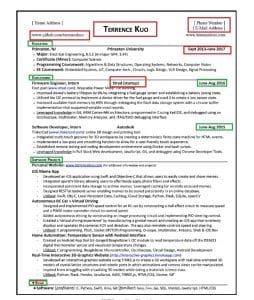
Frequently Asked Questions (FAQ) About Skills to Put on a Resume
Q1: What types of skills should I include on my resume?
A1: You should consider two main categories of skills:
- Hard Skills: These are specific, teachable abilities or knowledge sets. Examples include software proficiency, language fluency, or technical skills related to your field.
- Soft Skills: These are interpersonal qualities that define how you work with others. Examples include communication, teamwork, problem-solving, and time management.
Q2: How do I determine which skills are most relevant to my resume?
A2:
- Analyze the Job Description: Look for keywords and required skills mentioned in the job posting.
- Match with Your Experience: Identify skills you possess that align with the job requirements.
- Consider Industry Standards: Research common skills valued in your industry or profession.
Q3: Should I include both hard and soft skills?
A3: Yes! A well-rounded resume showcases a balance of both hard and soft skills.
- Hard skills demonstrate your technical abilities.
- Soft skills show your fit within a team and work environment.
Q4: How many skills should I list on my resume?
A4: Aim for about 5-10 skills that are the most relevant to the position you’re applying for. This ensures your resume remains concise and impactful.
Q5: Can I provide examples of how I used these skills?A5: Absolutely! Whenever possible, weave skills into your work experience section.
- For example:
- Instead of just stating “teamwork,” you might say, “Collaborated with a team of 5 to successfully launch a project ahead of schedule.”
Q6: Should I customize my skills for each job application?
A6: Definitely! Tailoring your skills to match the job you’re applying for can significantly improve your chances of catching the employer’s attention.
Q7: What if I don’t have many skills to list?A7: Don’t worry! Focus on transferrable skills from past experiences, internships, volunteer work, or even hobbies.
- Consider skills like leadership from team sports or organizational skills from planning events.
Q8: Is it okay to list skills I’m still developing?
A8: It’s best to be honest on your resume. If you have skills you’re currently improving, make sure to mention them in a positive light.
- For instance, “Currently enhancing data analysis skills through online courses.”
Conclusion
When it comes to creating a resume, the skills you include are crucial. By highlighting your hard, soft, and transferable skills, you can demonstrate your value to potential employers and increase your chances of getting noticed. Remember to be specific, concise, and quantifiable when showcasing your skills, and don’t be afraid to tailor your resume to the specific job you’re applying for.. I hope this FAQ helps you feel more confident about the skills to include in your resume. Remember, your unique combination of hard and soft skills is what sets you apart from other candidates!
About the Author
Linda Kaurji – As a career coach with over a decade of experience in the industry, I’ve helped countless job seekers navigate the complex world of job applications. With a background in human resources and a passion for helping others achieve their career goals, I’m committed to providing expert advice and guidance to job seekers of all levels.